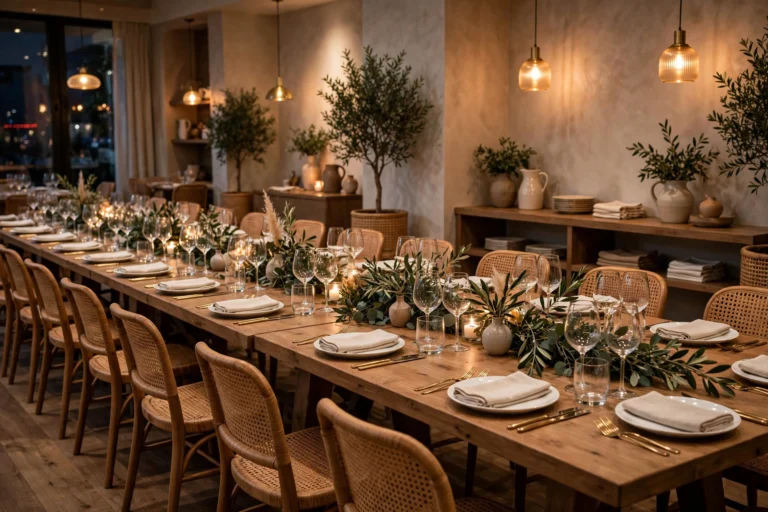

When Is the Best Time to Go to a Buffet? (2026 Freshness & Value Guide)
Timing can make or break your buffet visit. The best time to go to a buffet is usually within the first 45–60 minutes after a service begins — the trays are full, the food is freshly set out, and the crowds have not arrived yet. But the real answer is more nuanced: the best day, the best meal slot, and even where you sit in the dining room all affect freshness, price, and how relaxed your meal feels.
This guide breaks down exactly when to show up in 2026 — by day of week, by meal, and by minute — so every visit hits that sweet spot.
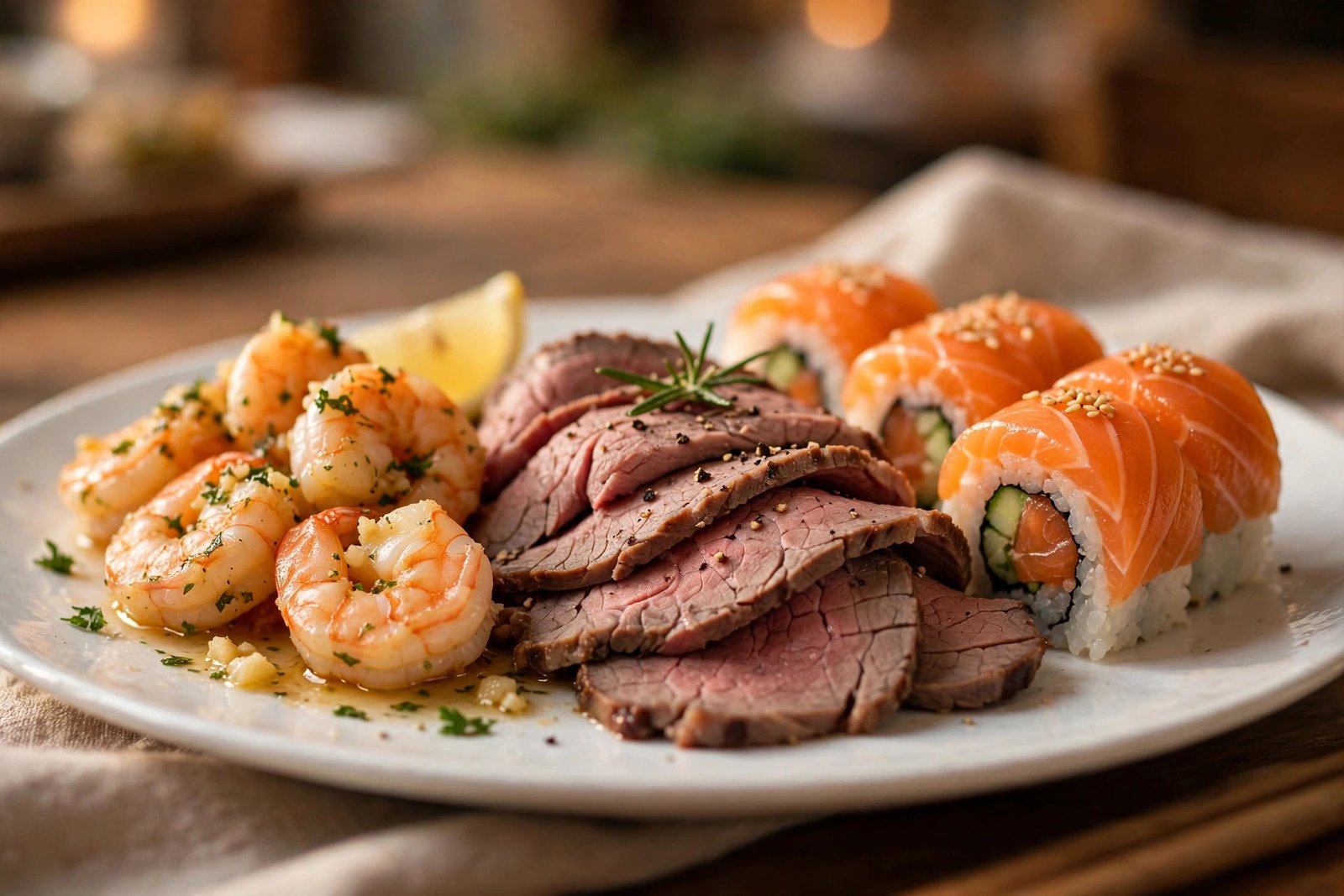
Why Timing Matters at a Buffet
Unlike a regular restaurant, a buffet is a moving target. Every dish is a perishable item on a countdown clock. Health guidelines recommend hot foods stay above 140°F (60°C) and cold foods below 40°F (4°C), but time in the pan matters too: after 30–45 minutes under a heat lamp, fried food turns limp, sauces skin over, and carved meats dry out.
Good buffets constantly rotate trays — kitchen staff watch the line and swap pans. But the busiest hours stretch that rotation thin. When hundreds of guests hit the stations at once, staff rush to refill, and quality dips. Go at the right time, and you get:
- Fresher food — just-set trays, crisp textures, hot temperatures
- Shorter lines — more time eating, less time standing
- Better service — staff are calmer and have time to answer questions
- Sometimes lower prices — lunch service often costs less than dinner for near-identical food
The Golden Window: 30–60 Minutes After Service Starts
If there is one rule to remember, it is this: arrive after opening but before the rush. The first 15–30 minutes after the doors open can be shaky — the staff may still be finishing setup, some stations might not be complete, and the carving roast may not be ready.
The 30-to-60-minute mark is the sweet spot:
- All stations are fully stocked and looking their best
- Food has not been sitting long enough to degrade
- Most of the crowd arrives later (lunch crowds peak around noon; dinner crowds peak around 6:30–7:30 p.m.)
- Staff are at full strength with fresh pans prepped
Practical example: if a buffet’s lunch service runs 11:00 a.m.–3:00 p.m., aim for 11:30 a.m.–12:00 p.m. If dinner starts at 5:00 p.m., target 5:30–6:00 p.m. You get the freshest setup without fighting the peak crowd.
Best Day of the Week to Visit a Buffet
Not all days are equal. Here is how the typical week shakes out:
Tuesday, Wednesday, Thursday — the quiet winners
Midweek days are consistently the calmest. Fewer families, no weekend event traffic, and kitchen teams can keep every tray full. Many buffet regulars swear by Wednesday evenings: the kitchen is in its weekly rhythm, and popular items get refilled in small, fresh batches rather than bulk dumps.
Monday — check the schedule first
Some independent buffets close on Mondays, and those that are open may run reduced menus. Call ahead if you are planning a Monday trip.
Friday night — premium food, premium crowds
Friday is when many buffets roll out their best stuff — prime rib, crab legs, expanded dessert bars. The trade-off is real: longer waits, picked-over trays, and a louder dining room. If you go Friday, arrive right when dinner service opens.
Saturday and Sunday — brunch is king, but come early
Weekend buffets are the busiest of the week, especially brunch (typically 10:00 a.m.–2:00 p.m.). Arrive within the first hour or accept that you will be queuing. Sunday dinner is often slower than Sunday brunch, which can mean calmer refills late in the evening.
Lunch vs. Dinner: Which Is the Better Value?
This is the biggest price decision you will make:
- Lunch buffets are typically cheaper — often 30–50% less than dinner at the same restaurant — and the spread is 70–80% identical.
- Dinner buffets add premium items: carved prime rib, crab legs, specialty desserts, made-to-order stations.
The value rule of thumb: if you want to try the premium items (seafood, carving station), dinner justifies its price. If you are happy with a solid all-around spread, lunch is usually the better deal. Many experienced buffet-goers eat their main meal at lunch and save the money.
Weekday lunch is arguably the single best-value slot of the week: lowest price, smallest crowd, and freshest food of the day.
When to Avoid (Or at Least Plan Around)
- Right before closing: trays are depleted, staff stop refilling, and the remaining food has been sitting. The last 30 minutes are the worst-value window of the day.
- Peak noon and 6:30–7:30 p.m. rushes: maximum crowd pressure, maximum wait at live stations, maximum tray turnover.
- Holiday evenings without a reservation: Thanksgiving, Mother’s Day, and New Year’s Eve buffets draw their biggest crowds of the year.
7 Timing Strategies the Regulars Use
- Scout before you commit. Walk the full line before taking a plate — this works best when you arrive early, before stations get picked over.
- Ask staff when trays are swapped. A quick question to the carver or station attendant tells you when the next fresh batch is due.
- Watch the refills, not the clock. Food quality resets with every fresh tray. Spotting a station attendant wheeling out a new pan is your cue to grab that item.
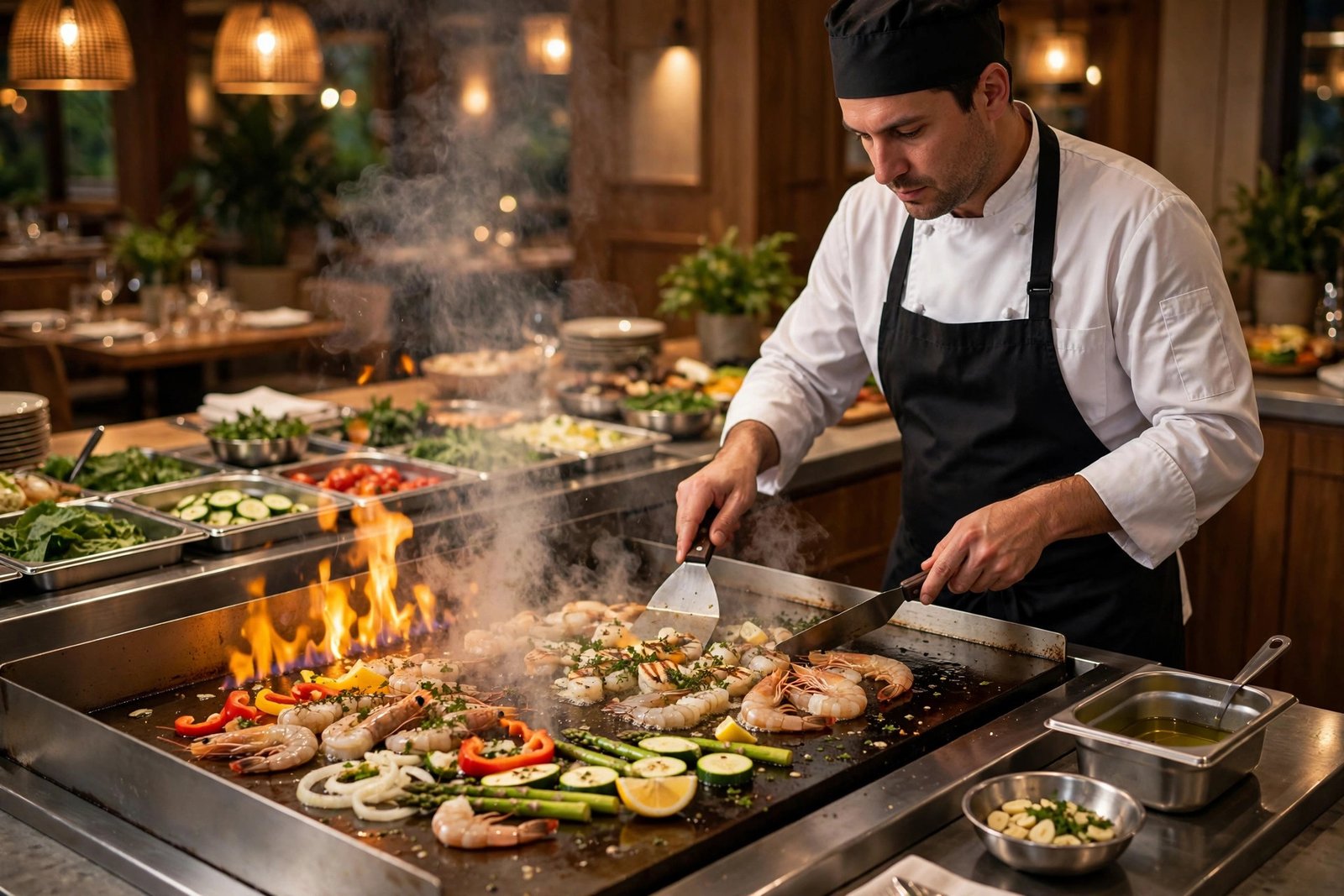
- Time the live stations first. Made-to-order stations (hibachi, pasta, carving) have lines that grow fast. Hit them in your first pass, then eat from the cold stations while you wait for your order.
- Split your visit across the transition. Some buffets run continuous lunch-to-dinner service. Arriving during the changeover window (around 3:00–4:00 p.m.) can mean catching both menus — though the overlap period sometimes has thinner selection. Check with the restaurant first.
- Weekday lunches for families. Kids are in school, crowds are thin, and prices are lowest. Family trips are easier and cheaper on a Wednesday than a Saturday.
- Go early on seafood and premium nights. If a buffet runs a Friday crab-leg night or Sunday prime-rib brunch, the premium trays disappear first. Be there when service opens.
Frequently Asked Questions
Q: Is it better to go to a buffet early or late?
A: Early — but not first. Arrive 30–60 minutes after service begins for fully stocked, fresh trays with smaller crowds. Avoid the last 30 minutes before closing, when refills stop and remaining food has been sitting.
Q: What is the cheapest time to go to a buffet?
A: Weekday lunch. Lunch pricing is typically 30–50% lower than dinner at the same buffet, and midweek lunches combine the lowest prices with the smallest crowds.
Q: What day of the week is best for a buffet?
A: Tuesday through Thursday are the quietest days, with fresh refills and short lines. Fridays and weekends offer the best premium spreads (crab legs, prime rib) but the biggest crowds — arrive at opening if you go then.
Q: Do buffets serve better food at dinner or lunch?
A: Dinner spreads are usually bigger and include premium items like carved meats and seafood, but lunch covers most of the same dishes at a lower price. Pick dinner for the premium items, lunch for the best value.
The Bottom Line
The best time to go to a buffet in 2026 is a weekday lunch, 30–60 minutes after service starts. You get the freshest food, the calmest dining room, and the lowest price — the rare case where quality and value point in the same direction.
Planning a visit? Pair good timing with smart strategy: read our buffet tips to get your money’s worth, brush up on buffet etiquette rules, and if you are eyeing the premium end of the line, our Golden Apple Buffet vs Golden Corral comparison will help you decide where your money goes furthest.