
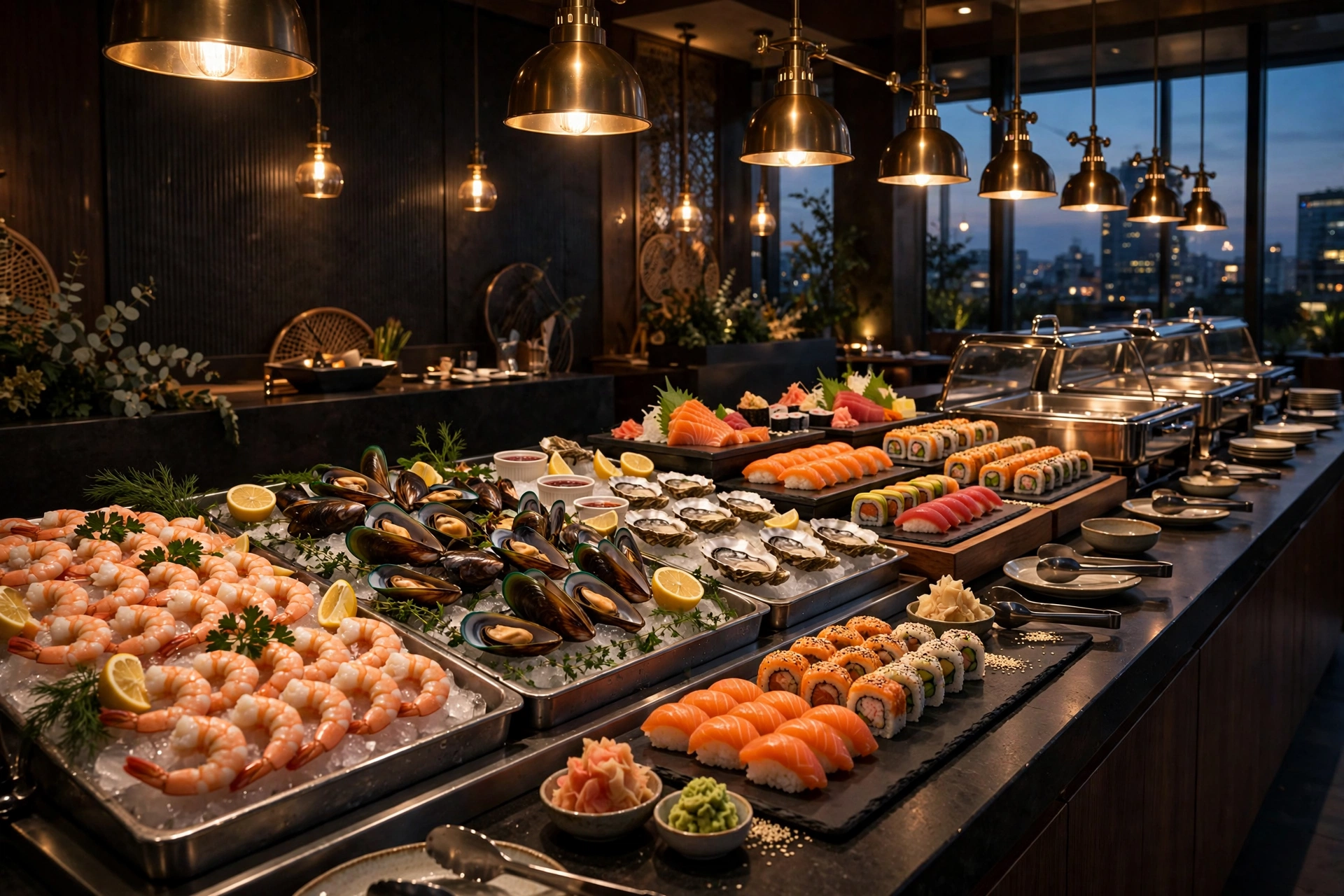
Golden Apple Buffet Lunch vs Dinner: Price and Menu Differences
One of the most common questions about any buffet — and buffet lunch vs dinner is searched constantly — is deceptively simple: is dinner worth the higher price, or is lunch the smarter play? At Golden Apple Buffet, the answer isn’t the same for every diner. It depends on what you eat, when you can go, and what “value” means to you.
Here’s the full breakdown: how the prices typically differ, what actually changes on the menu between lunch and dinner, and our honest recommendation for different types of diners. (All prices below are estimates that vary by location — call to confirm current pricing.)
The Price Difference
Golden Apple Buffet uses tiered pricing, and the tiers follow a pattern common across the buffet industry:
- Weekday lunch — the cheapest tier. This is the baseline.
- Weekday dinner — a step up, typically a few dollars more per adult than lunch.
- Weekend/holiday (all day) — the highest tier, reflecting peak demand.
The gap between the cheapest (weekday lunch) and most expensive (weekend dinner) can be meaningful — enough that a family of four could save the cost of an entire extra meal by choosing lunch over weekend dinner. Kids’ pricing follows the same tiered pattern, with reduced rates for younger age brackets.
For the detailed price breakdown by location type, see our Golden Apple Buffet prices guide. And if you’re hunting for legitimate ways to pay less regardless of meal period, our coupons and deals guide covers every real discount.
What Changes on the Menu
This is the part most “lunch vs dinner” articles gloss over with vague claims. Here’s what typically differs, based on how buffet operations actually work:
Dinner usually adds
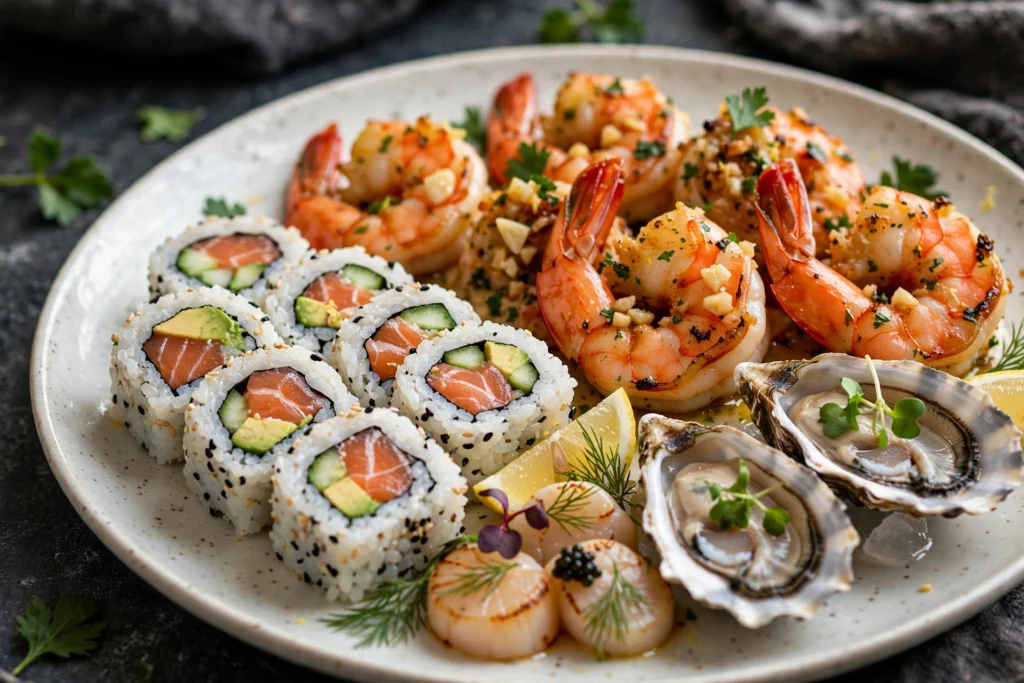
- More seafood options — dinner service is when the higher-cost proteins come out: shrimp preparations, mussels, and at some locations crab legs or similar premium seafood. This is the single biggest menu difference.
- Expanded sushi selection — the sushi bar may run a fuller selection at dinner.
- More specialty/rotating dishes — dinner often gets the “showcase” items the kitchen prepares in smaller batches.
- Fuller dessert presentation — some locations put more effort into the dessert spread at dinner.
Lunch usually has
- The full core menu — fried rice, lo mein, sesame chicken, beef and broccoli, egg rolls, soups, the salad bar, and made-to-order stations are all there. The backbone of the buffet doesn’t disappear at lunch.
- Fresher turnover on staples — lunch crowds keep the core trays cycling, so the basics are often at their best midday.
- Lighter crowds — especially on weekdays, which means shorter lines at the hibachi and pho stations.
What doesn’t change much
The salad bar, soup station, appetizers, and standard Chinese-American entrees are consistent across meal periods. If your ideal buffet meal is sesame chicken, fried rice, egg rolls, and soup, lunch gives you essentially the full experience. For a deeper look at what’s on the line, our breakfast hours guide covers what morning visits look like too.
The Value Math: When Each Wins
Lunch wins when…
- You’re a “core menu” eater. If your plate is mostly the classic entrees, soups, and salad bar, dinner’s premium additions don’t add value for you. Lunch is the same meal for less money.
- You’re feeding kids. Kids rarely eat the premium seafood that justifies dinner pricing — but you pay the higher kids’ dinner tier anyway. Lunch with kids is almost always the better value.
- You’re a light or moderate eater. The dinner upcharge only pays off if you eat enough of the premium items to cover it. If you eat two plates of lo mein either way, lunch wins.
- You value a calm meal. Weekday lunch is quieter, lines are shorter, and parking is easier.
Dinner wins when…
- You’re a seafood lover. If you’ll genuinely load up on shrimp, mussels, and whatever premium seafood is out, the dinner upcharge can pay for itself in one plate. This is the clearest case for dinner.
- It’s a special occasion. Date night, celebration dinner, out-of-town guests — the fuller spread and livelier atmosphere suit the occasion.
- You can only go on weekends anyway. If Saturday is your only option, you’re paying weekend pricing regardless — so go at dinner and get the maximum spread for it.
- You’re a big eater with broad tastes. The more of the line you’ll actually sample, the better dinner’s value proposition.
The crossover play
Some locations transition from lunch to dinner service in the mid-afternoon (often around 3:00 p.m.). Diners who arrive near the switchover sometimes catch the tail of lunch pricing with the beginning of dinner items hitting the line — but this is location-dependent and not something to count on. Don’t build your plan around it; treat it as a happy accident if it happens.
Weekday vs Weekend: The Hidden Variable

The lunch-vs-dinner question has a second axis: weekday vs weekend. In practice:
- Best pure value: Weekday lunch. Cheapest price, full core menu, smallest crowds.
- Best experience-per-dollar: Weekday dinner. You get the premium items without the weekend chaos or the top price tier.
- Most expensive: Weekend dinner. Biggest crowds, highest price — worth it for occasions, not for routine visits.
- The compromise: Weekend lunch. Higher than weekday but calmer than weekend dinner, with a solid spread.
If your schedule allows any flexibility at all, shifting a regular buffet visit from Saturday dinner to a weekday lunch or dinner is the single highest-impact savings move available.
What About Takeout?
The lunch/dinner distinction also applies to carryout by the pound, which typically has different per-pound rates for lunch, dinner, seafood, and sushi. Light eaters doing takeout should prefer lunch rates for the same reason dine-in light eaters should prefer lunch pricing. Our dietary options and takeout guide has the full takeout breakdown.
Our Honest Recommendation
For most people, most of the time: go for weekday lunch. You get the complete core buffet experience — the dishes that made you want to go in the first place — at the lowest price, with the shortest lines and freshest turnover. Save dinner for when you specifically want the premium seafood spread or when the occasion calls for it.
The exception that proves the rule: if you’re the person who walks past the sesame chicken straight to the shrimp and crab, dinner isn’t an upcharge — it’s the whole point. Know your eating style, match the meal period to it, and you’ll never overpay for a buffet again.
Frequently Asked Questions
Is buffet dinner worth more than lunch? It depends on what you eat. Dinner typically adds premium seafood and a fuller sushi selection. If you’ll eat those items, dinner can be worth the upcharge. If your meal is mostly the core entrees, lunch is the better value.
What is the cheapest time to eat at Golden Apple Buffet? Weekday lunch is generally the cheapest meal period. Prices vary by location, so call to confirm — and check our deals guide for legitimate discounts like the senior discount.
Does the menu change between lunch and dinner at buffets? The core menu (entrees, soups, salad bar, appetizers) stays consistent. Dinner typically adds higher-cost items like premium seafood and expanded sushi. Made-to-order stations usually run during both.
Is weekend lunch cheaper than weekend dinner at a buffet? Typically yes — weekend pricing is usually a single all-day tier at many locations, but where lunch/dinner tiers apply on weekends, lunch is the cheaper one. Confirm with your local restaurant.