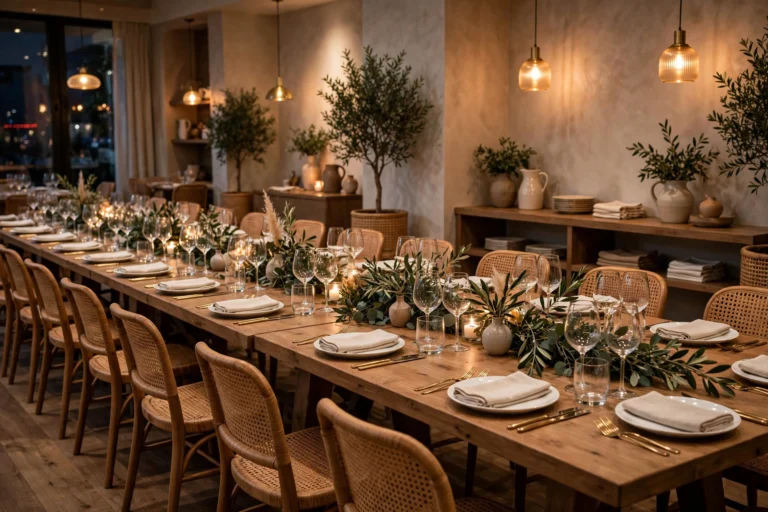

15 Buffet Tips to Get Your Money’s Worth (2026 Guide)
Everyone wants to get their money’s worth at an all-you-can-eat buffet. You pay one price, and the whole spread is yours. But between the fried rice, the bread rolls, and the soda refills, it is easy to walk out feeling full but underwhelmed — like you ate a lot but never got the value you paid for.
These buffet tips to get your money’s worth come from years of watching what works. Real value is not about maximum food. It is about eating the best food, at the best time, in the smartest order. Here is how.
Before You Go: Set Yourself Up for Value
Half the battle is won before you walk through the door. A little planning goes a long way.
Tip 1: Arrive Hungry — But Don’t Starve Yourself
Skip a meal before a buffet and you will arrive like a wolf. That sounds smart, but it usually backfires. When you are starving, you grab the first things you see, pile your plate high, and feel stuffed by plate two.
Instead, eat a light snack three to four hours before your visit — a piece of fruit or a small salad. You will arrive with a real appetite but a clear head, and you will make better choices.
Tip 2: Pick the Right Mealtime — Lunch vs. Dinner
Lunch buffets are almost always cheaper than dinner. But dinner usually has a bigger spread — more seafood, more carved meats, more desserts.
Which is better value? Check the menu difference first. If dinner’s lineup is much richer, the higher price can be worth it. If lunch has most of your favorites, go at lunch and pay less.
Tip 3: Look for Deals, Coupons, and Discounts
Never pay full price without a quick check. Many buffets offer senior discounts, kids-eat-free nights, birthday freebies, or loyalty programs. A quick look at the restaurant’s website can save you a few dollars per person.
For families, kids’ pricing is a big one. Ask about children’s rates and age cutoffs before you sit down. For a full breakdown of how buffet pricing works, see our Golden Apple Buffet prices guide.
Survey the Whole Buffet Before Touching a Plate
This is the single most important habit of experienced buffet diners.
Tip 4: Do a Full Walk-Through First
Pick up your plate and walk the entire line before you put a single item on it. Every time. This one lap tells you everything: what looks fresh, what just came out of the kitchen, and what is not worth your stomach space.
Most people skip this and load up at the first station — then discover the crab legs waiting at the far end when they are already full.
Tip 5: Spot the High-Value Items First
While you walk, look for the expensive stuff: shrimp, crab legs, sushi, salmon, carved roast beef. These are the dishes where the buffet price pays for itself.
Cheaper items — bread, plain pasta, fries, white rice — are tasty, but you can eat them any day for almost nothing. Mark the premium items in your mind. You will visit them first.
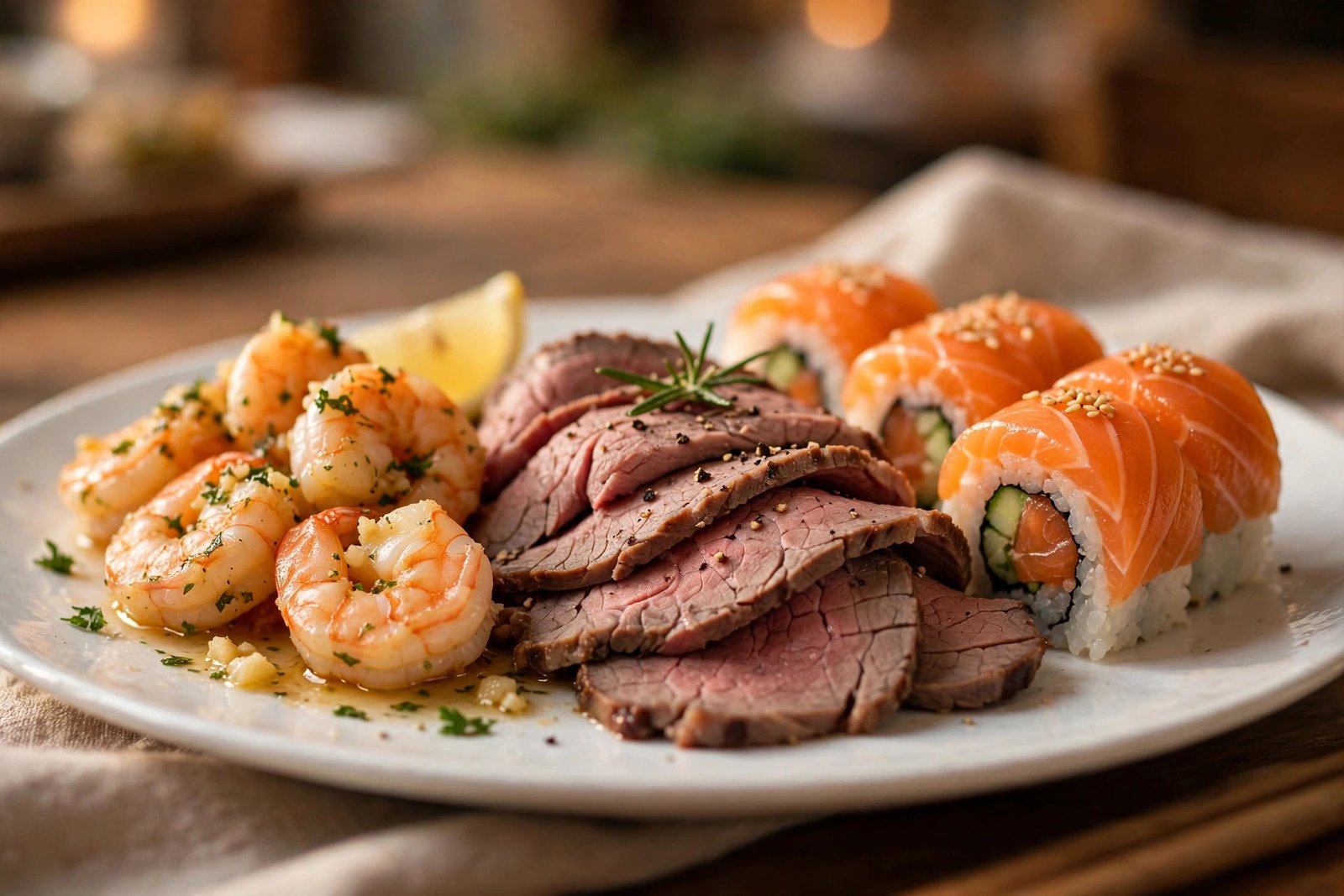
Plate Strategy: Eat for Maximum Value
Now that you know the layout, eat with a plan.
Tip 6: Start With Expensive Proteins, Not Fillers
Your first plate should be the high-value items you spotted: seafood, carved meats, sushi. Eat the priciest dishes while your appetite is at its peak. By the third or fourth plate, everything tastes a little less exciting — so front-load the good stuff.
Tip 7: Take Small Portions and Make More Trips
Take a little of many things instead of a lot of one thing. Small portions let you taste more dishes, find your favorites, and go back for exactly what you loved. This is the whole joy of a buffet: variety.
As a bonus, small plates look better, mix better, and waste less food. Nobody likes throwing away a mountain of food they could not finish.
Tip 8: Skip the Bread, Pasta, and Rice — At Least Early On
Fillers are the buffet’s best friend and your wallet’s worst enemy. A basket of bread rolls costs the restaurant almost nothing but can fill half your stomach — same for plain pasta, white rice, and fries.
You do not have to avoid them completely. Just save them for later, after the premium dishes. A little rice with your curry at the end is a fine finish.
Tip 9: Go Easy on the Drinks — Water Beats Soda
Soda and juice fill you up fast, dull your appetite, and make rich food feel heavy sooner. Worse, drinks are often not included in the buffet price — so every refill is money spent on something that keeps you from eating the food you already paid for.
Drink water instead. It is usually free, aids digestion, and keeps your palate fresh. A small glass at a time is plenty.
Tip 10: Pace Yourself — Eat Slowly and Take Breaks
Your stomach needs about 20 minutes to tell your brain it is filling up. Eat slowly and you will naturally eat the right amount. Chat between bites. Put your fork down. Enjoy the company.
If you feel full, take a short break. A five-minute rest lets your appetite settle and often brings it back. Rushing through plates is how people feel sick instead of satisfied.
Two More High-Value Moves
Tip 11: Don’t Skip the Live and Carving Stations
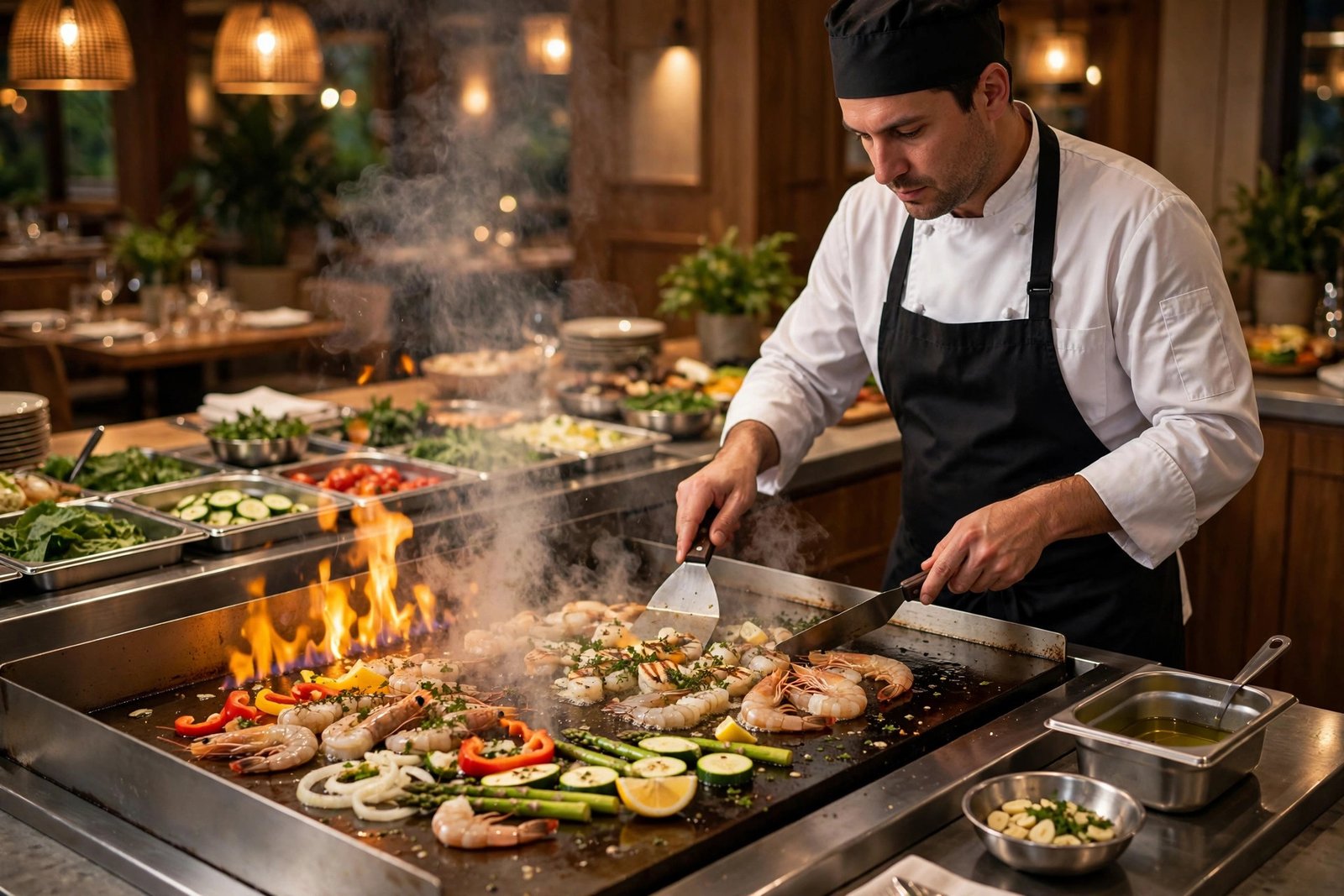
The live cooking station — where a chef grills or stir-fries your dish to order — is usually the best food in the building. It is made fresh, made for you, and often includes premium ingredients.
The carving station is the same story: a chef slicing roast beef or lamb to order beats meat that has been sitting under a heat lamp. These stations sometimes have short lines. Do not let a two-minute wait stop you — this is where the value lives.
Tip 12: Save Room for Dessert — But Be Selective
Dessert is part of the experience, and you paid for it. But the dessert table is another filler trap. Pick one or two items that look genuinely good — the chocolate fountain with fresh fruit, a warm bread pudding, the ice cream — and take small portions. A sweet ending you actually enjoy beats a plate of mediocre cake.
Common Mistakes That Waste Your Money
Even smart diners slip up. Watch out for these.
Tip 13: Don’t Treat Your First Plate Like Your Last Meal
The biggest mistake at any buffet is loading plate one to the edges. You feel full by plate two and spend the rest of the meal watching other people eat the good stuff. Start small. You can always go back — that is the entire point of all-you-can-eat.
Tip 14: Don’t Arrive Right Before Closing
Showing up in the last 30 minutes sounds like a shortcut. In reality, the best dishes are gone, trays are not refilled, and the food left has been sitting out. You get the worst selection at the worst quality. Arrive at the start of a meal service for the freshest spread.
Tip 15: Don’t Chase Quantity — Chase the Best Bites
Here is the honest truth: the person who eats twelve plates of fried rice did not get better value than the person who enjoyed three perfect plates of shrimp, carved beef, and fresh sushi. Value is not a number on a scale. Eat what excites you, leave what does not — that is the real win.
Buffet Tips to Get Your Money’s Worth: Your Questions Answered
How much do I need to eat to get my money’s worth?
Think in value, not volume. Most buffets price for three to four average plates. But two plates of shrimp, salmon, and carved meats can beat the menu price, while six plates of bread and rice might not. Eat the premium dishes and the math takes care of itself.
Is it rude to only eat the expensive food?
Not at all. The price covers everything on the line. What matters is manners: take only what you will eat and follow good buffet etiquette. Eating smart is not rude. Wasting food is.
What is the best time to go to a buffet?
Go early in the dinner service for the freshest, fullest spread. Go at lunch for the lowest price. Avoid the last hour before closing, when selection and quality both drop.
Can a buffet lose money on big eaters?
Buffets price for the average guest, and most people eat less than they expect. A few big eaters are built into the math — the margin comes from the many guests who eat modestly, plus drinks and extras. So enjoy yourself.
The Bottom Line
These buffet tips to get your money’s worth come down to one simple idea: it is not about eating until it hurts. It is about arriving ready, scouting the line, starting with the premium dishes, skipping the cheap fillers, and pacing yourself. Do that, and every visit feels like a win — for your appetite and your wallet.
Want more from the buffet world? Read our guide on what really happens to leftover buffet food — and make sure you know the 13 rules of buffet etiquette before your next visit.